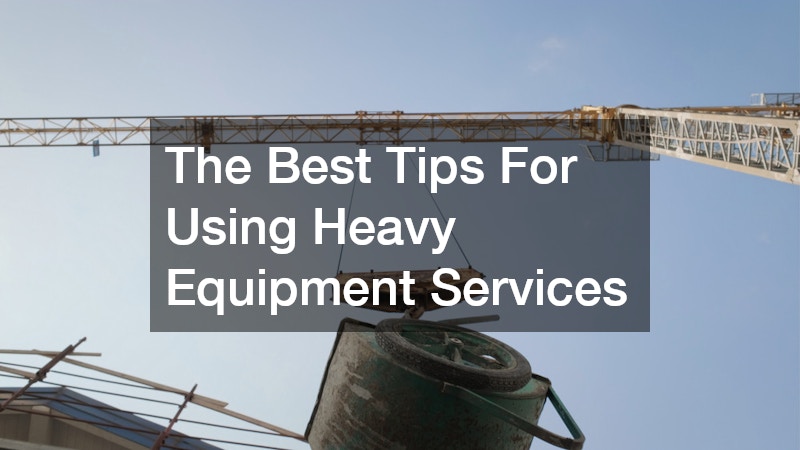
Utilizing heavy equipment services efficiently can make a significant difference in productivity and project success. Whether you’re in construction, agriculture, or any field that relies on large machinery, optimizing their use is crucial. This article explores the best tips for maximizing the benefits of heavy equipment services.
Understanding the Scope of Heavy Equipment Services
Before diving into the specifics of using heavy equipment services, it’s essential to understand what these services encompass. Heavy equipment services can include the rental, maintenance, and operation of machinery like excavators, cranes, and loaders. By realizing the full range of services available, companies can better match their needs to what providers offer, optimizing their operational efficiency.
Knowing the specifics of each machine’s functionality helps in deciding which type to rent or purchase. For example, an excavator might be more suited for digging large holes, while bulldozers are better for clearing sites. When considering heavy equipment services, one must evaluate the machinery’s capabilities in alignment with project requirements to avoid unnecessary costs and delays.
Additionally, understanding the role of operators can greatly enhance service value. Skilled operators not only increase the safety of machine usage but also improve task efficiency. Investing in training or hiring certified professionals as part of heavy equipment services ensures that the technology is used to its fullest potential.
Optimizing the Use of Heavy Equipment
Once you have a grasp of heavy equipment services, the next step is optimizing their use for your specific projects. Proper scheduling is paramount; the right timing ensures that equipment is available when needed, thereby reducing idle time and increasing productivity. Consider planning your projects in a way that sequences tasks logically, so equipment doesn’t sit unused.
Regular maintenance is another critical factor in getting the most out of heavy equipment. Scheduled inspections and timely repairs prevent breakdowns, extend machinery lifespan, and ensure safety. Many service providers offer maintenance as part of their heavy equipment services, which should be seen as a valuable inclusion instead of an added expense.
Furthermore, leveraging technology can aid in optimization. Modern heavy equipment often comes with telematics systems that allow users to monitor performance metrics and receive alerts for preventive maintenance. Such innovations not only prevent costly repairs but also contribute to the efficient management of fleet operations.
Ensuring Safety and Compliance
Safety should be an integral consideration when utilizing heavy equipment services. Given the size and power of these machines, accidents can have severe consequences. Implementing a culture of safety, which includes regular training and adherence to industry standards, is necessary to protect both workers and machinery.
Compliance with local regulations is mandatory to avoid legal repercussions and ensure smooth operations. Familiarizing oneself with guidelines regarding machine utilization, emissions, and operator certifications helps in meeting regulatory requirements. Many providers in the heavy equipment services sector offer compliance support as part of their packages, making it easier for clients to adhere to laws.
Using safety technology, such as backup cameras, proximity warning systems, and automated controls, can substantially reduce risks. When selecting heavy equipment services, opting for machinery equipped with these features is advisable. It not only complies with modern safety standards but offers peace of mind when operations involve complex and hazardous tasks.
Cost-Effective Strategies for Heavy Equipment Services
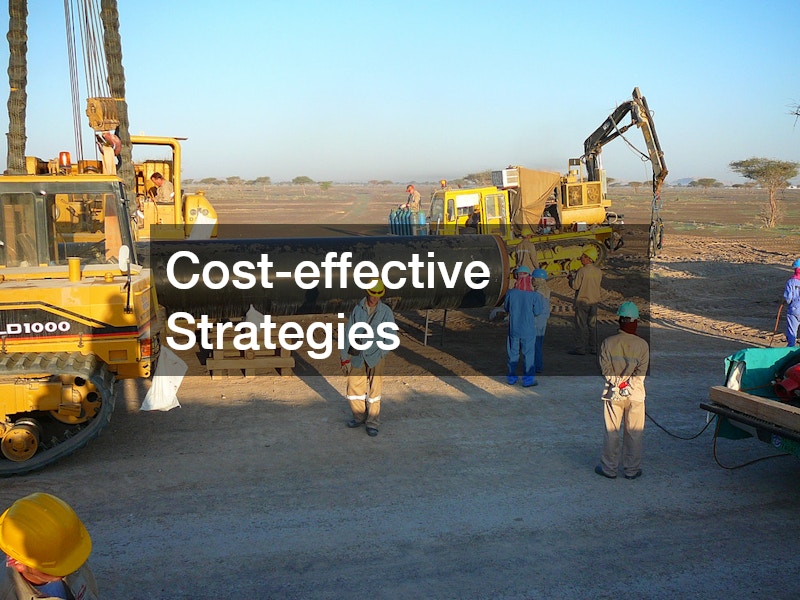
Heavy equipment can be a significant investment, making cost-effective strategies essential for leveraging them economically. One effective approach is renting machinery instead of purchasing, especially for short-term projects. Many heavy equipment services offer flexible rental options, allowing businesses to scale their machinery needs according to project demands.
Negotiating favorable terms with service providers can also bring cost benefits. Long-term relationships or bulk agreements often lead to discounts and preferred services. It is beneficial to regularly review and compare offerings from different providers to ensure competitive pricing and services.
Furthermore, investing in operator training can yield financial dividends through increased efficiency and reduced downtime. Properly trained operators are less likely to cause damage leading to costly repairs. Thus, ensuring your team is well-versed in machinery operation as part of your heavy equipment services strategy is both a safe and cost-saving measure.
Maximizing Productivity with Advanced Technology
Embracing advanced technology in heavy equipment services can significantly enhance productivity. Automation in machinery, such as GPS-guided operations and automated excavation systems, improves precision and reduces manpower needs. These technologies allow projects to meet tight deadlines with lesser oversight.
Data analytics and fleet management software also play crucial roles in productivity. They provide insights into machinery usage, operational efficiency, and potential issues before they become serious problems. Analyzing this data helps in refining processes, making more informed decisions, and allocating resources more effectively.
Incorporating these technological advancements when selecting heavy equipment services makes logical and financial sense. It demonstrates a commitment to leveraging the latest innovations for business benefits. Ultimately, it aligns with industry trends focused on sustainability, safety, and efficiency, setting your operations up for future challenges.
By following these best practices, businesses can fully leverage heavy equipment services, ensuring not only project success but also a safer and more cost-effective operational environment.